About Alpine World Adventures
At Alpine World Adventures, you can expect nothing less than the highest caliber of guides, certified by the International Federation of Mountain Guides Associations (IFMGA) — the world standard for mountain guiding excellence. Furthermore, we bring decades of experience, operate at the most up-to-date technical proficiency, and are genuinely fun to be with.
Meet Markus
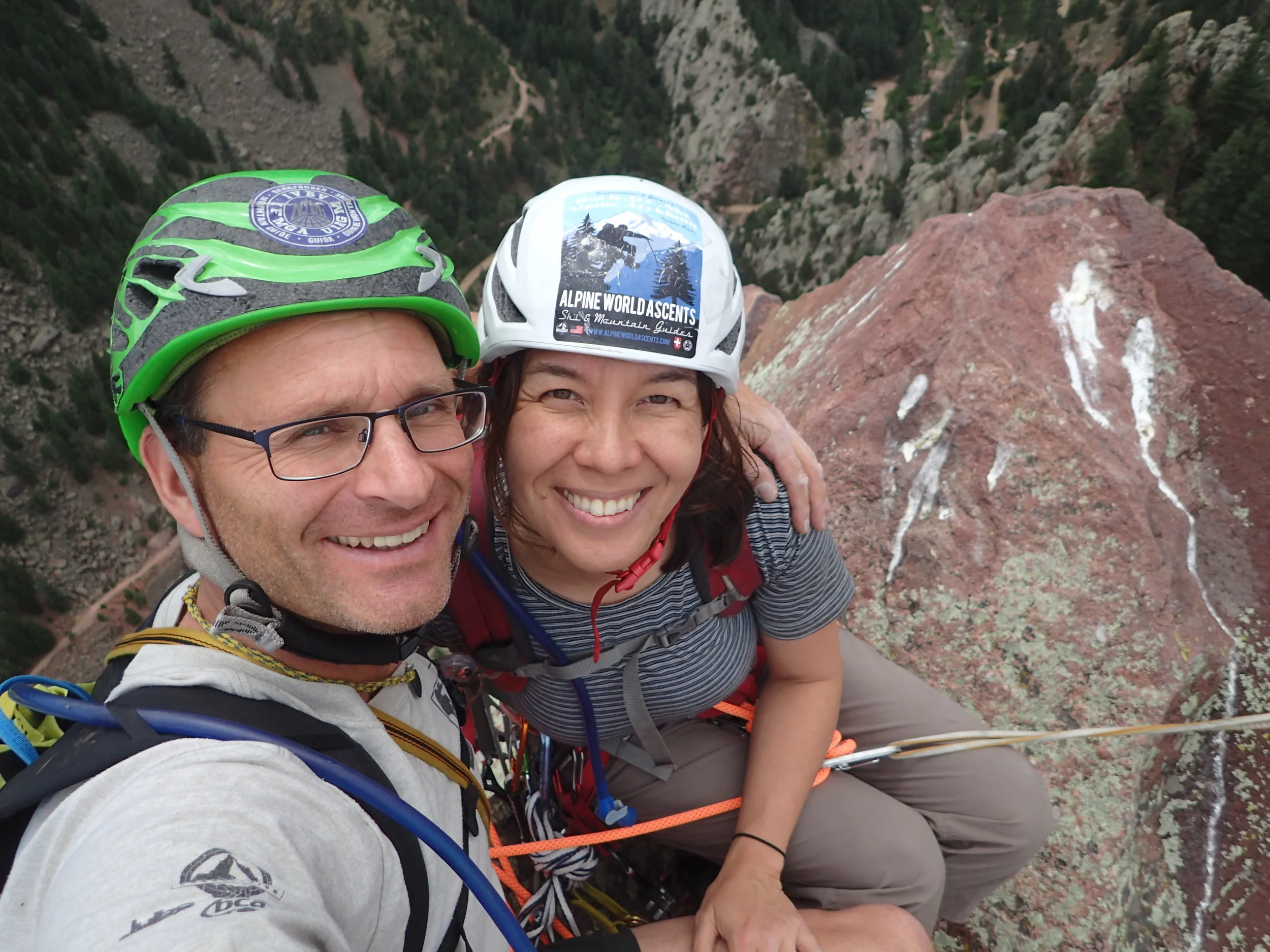
A Swiss native, Markus grew up roaming the Alps from an early age, developing an intuitive and deeply personal understanding of the mountains. That connection became a lifelong passion — and eventually a profession. Today, Markus guides guests to destinations around the globe, from popular classics to exotic and lesser-known gems, bringing his infectious love for the mountains to every adventure. Markus has been guiding full-time since 2000 and his passion for his profession burns as hot as the first day.
Qualifications
Swiss IFMGA Certified Ski & Mountain Guide
Swiss Snowsports Level 3 Ski Instructor
Swiss licensed paragliding pilot, solo and tandem
Masters in Education and Sports, University of Bern, Switzerland
Wilderness First Responder & CPR certified
Avalanche Safety Instructor by SMT as well as former instructor/trainer by AIARE/AAA
Trained helicopter rescue specialist (Switzerland)
Mountain skills instructor to US Military Special Forces (2006–2013)
Exclusive provider of "quick response vertical surface rescue" to the US Coast Guard (2012–2018)
Taught 200+ avalanche safety courses for recreationals, ski patrol, guides, aspiring avalanche professionals, military across the US (1999–2018)
Full-time, year-round guiding since 2000
Fluent in German, Swiss German, and English; semi-fluent in French, Italian, and Dutch
The Team
For larger groups or when I'm fully booked, I work with a select group of hand-picked guides — all IFMGA certified, extensively experienced, and chosen for their expertise and friendly personalities.
Understanding Mountain Guide Standards
Before choosing a guide, ask yourself: who is guiding me? This is the most important question you need answered. You're investing significant time and money, so ensure you're getting the best possible service. Once you find a guide you trust and connect with, stick with him or her — a well-tuned dynamic between guide and clients is invaluable.
Mountain guiding in technical terrain is highly specialized and potentially dangerous. It requires skills far beyond recreational climbing or skiing. Guides undergo rigorous training and certification to master these skills. However, not all certifications are equal. The International Federation of Mountain Guides Associations (IFMGA) — founded in 1965 by guides from Austria, France, Switzerland, and Italy — establishes the world's highest standards. IFMGA licensing requires strict training and examination protocols recognized by its members globally. Today, the IFMGA represents nearly 6000 guides from over 20 countries, and many nations legally require guides to meet that standard.
The American Context
The American Mountain Guides Association (AMGA) became an IFMGA member in 1997. However, the US differs significantly from Europe: there is no legal requirement for guides to be certified, and commercial permits aren't based on credentials. As of 2018, fewer than 150 IFMGA-certified guides operate in the USA (and most of these work in Europe) — a stark contrast to Switzerland's 1400. Notably, AMGA accreditation (for companies) differs from certification (for individual guides). Accreditation is a brief review of climbing activities and policies, not an evaluation of guide competence.
Switzerland's Standards
Switzerland has legally required IFMGA certification for guides since the Federal Act on Mountain Guides was established. Guides must be certified, registered nationally, and attend bi-annual professional development. Most European countries follow similar standards. This legal framework ensures consistent quality and safety across the profession. Swiss ski and mountain guides are among the most respected in their profession worldwide.
Client-Guide Ratios & Experience
Smaller client-guide ratios enhance safety, flexibility, and personal attention — and group dynamics are more predictable. While local experience is valuable, guide quality, competence, and conscientiousness matter more. A skilled guide will perform just as well in unfamiliar terrain as in his home turf. Many guides actually prefer new routes and new areas as it sharpen skills, prevent monotony, and provide deeper job satisfaction. What matters most is trusting your guide and building that relationship over time rather than going with a local guide whom you don't know.
My Philosophy
I pursued IFMGA certification because I believe guide training at the highest level is non-negotiable. As an independent guide, I value the freedom to create custom experiences tailored entirely to your goals. I keep small client-guide ratios because safety, enjoyment, and success matter far more than profit margins. Guiding isn't just my profession — it's a lifestyle rooted in passion for the mountains and dedication to the people I adventure with. After decades in this field, much of my work is with returning clients who've become friends. Their loyalty and word-of-mouth reflect the sincerity and quality I bring to every expedition.